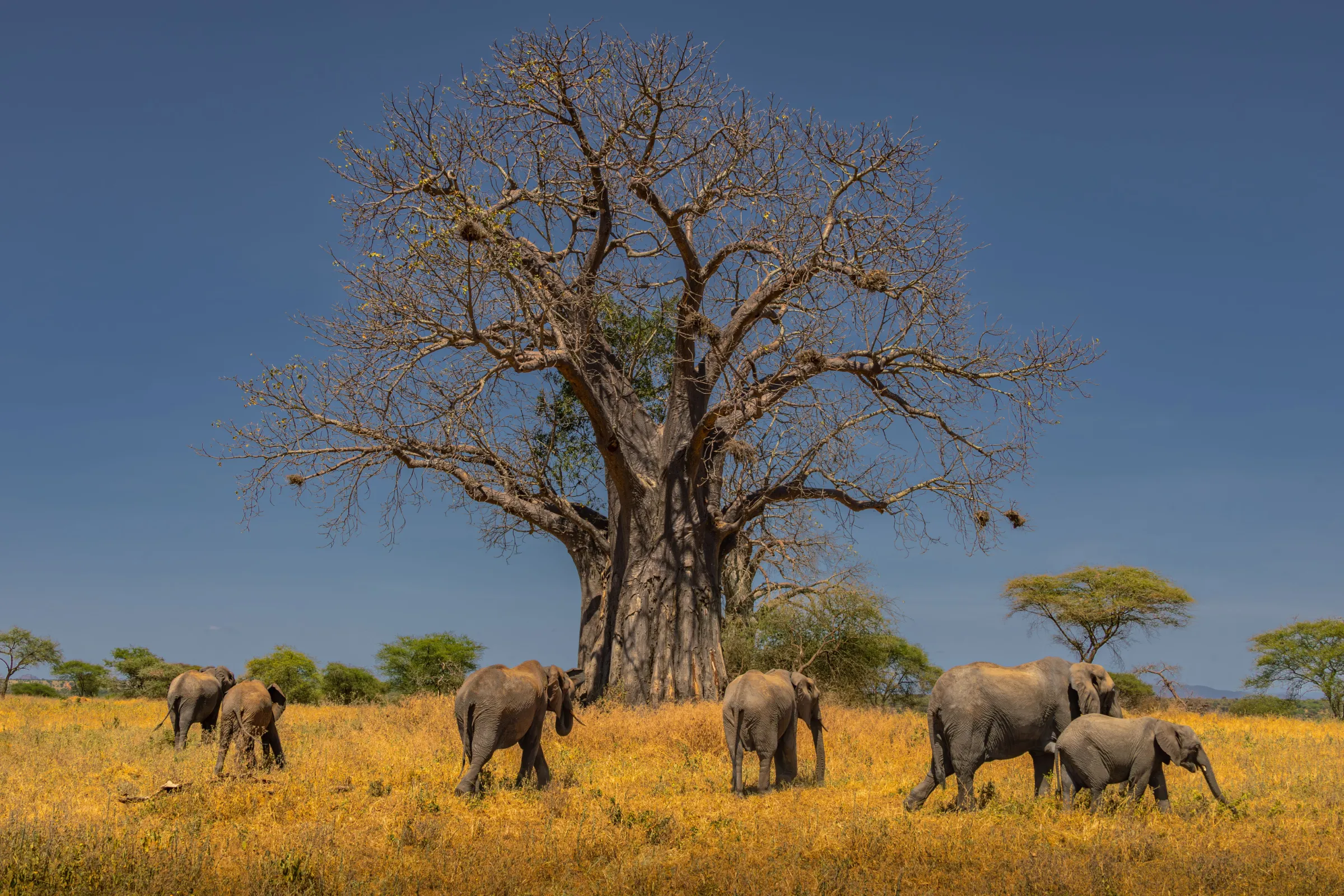
Choosing when to go
There is no bad month on a northern Tanzania safari, only different ones. The long dry season, roughly June to October, brings thinner grass and animals gathering near water, which makes game easy to find. Early in the year, usually January to March, the wildebeest herds calve on the southern Serengeti plains around Ndutu. The long rains, roughly March to May, make some tracks harder going, but the parks turn green and quiet. Tell us your dates and we will match the parks to the season.
What a safari day looks like
Most days start early, because the first hours after sunrise are when predators are most active. You travel in a private 4x4 with a pop-up roof, so everyone can stand and look out. A game drive is unhurried: when we find something worth watching, we stop and stay. Lunch is often a picnic in the park, and afternoons end back at your lodge or camp before dark.
What to pack
• Layers. Mornings on the Ngorongoro Crater rim can be cold, and afternoons on the plains are hot. • Neutral colours such as khaki, olive and sand. Dark blue and black attract tsetse flies in some parks. • A wide-brimmed hat, sunglasses and high-factor sunscreen. • Binoculars, one pair each if you can. • A soft bag rather than a hard suitcase, so it fits in the vehicle.
Tip
Tanzania bans plastic carrier bags. Pack toiletries in reusable pouches rather than plastic bags.
On the drive
Stay inside the vehicle unless your guide says otherwise. Keep voices low near animals, and never feed or call to wildlife. If you want to fly a drone, ask us first: drones need a permit and are not allowed in national parks without one.