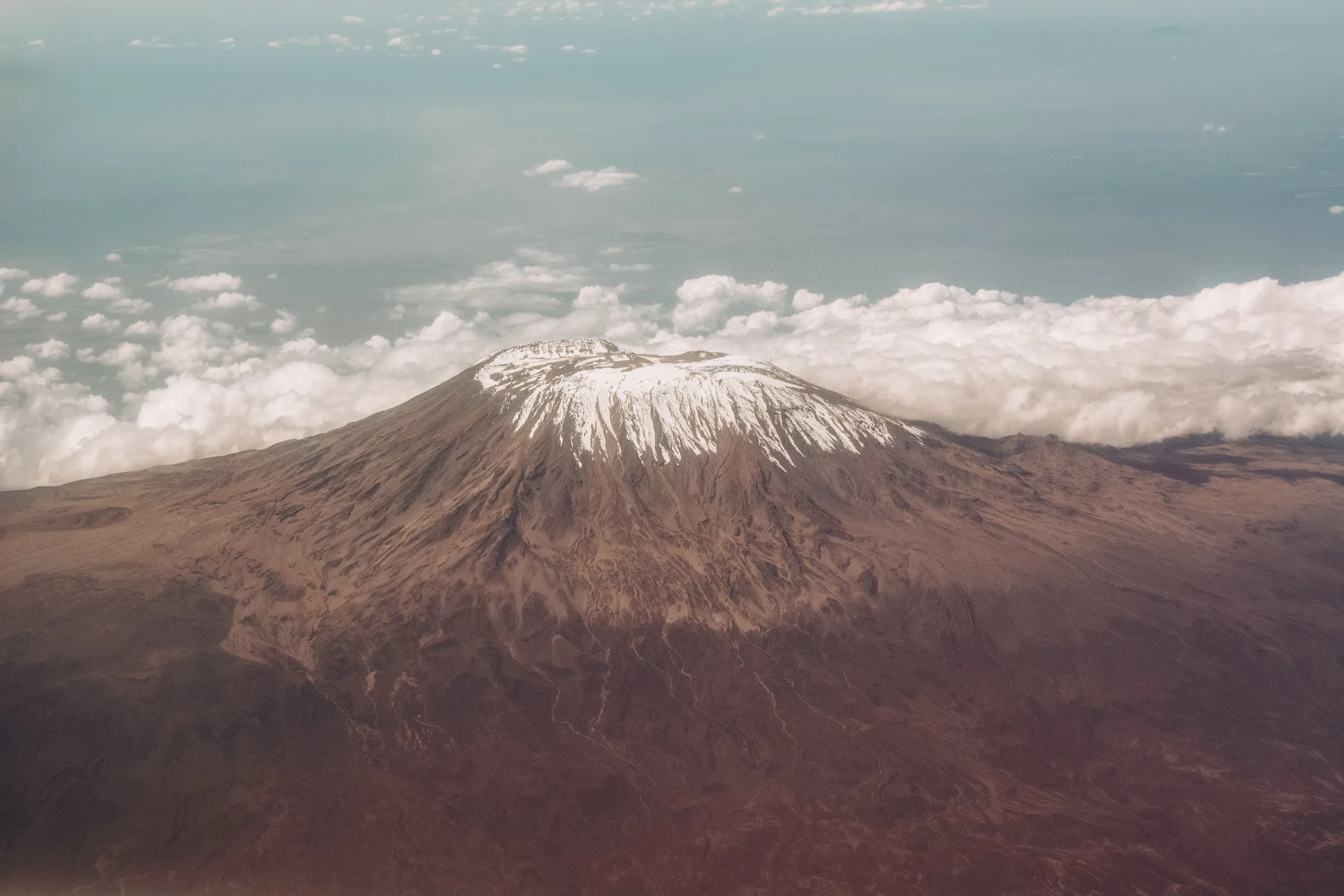
It's a walk, but a long, high one
Climbing Kilimanjaro needs no ropes or technical skill. What makes it hard is the altitude: Uhuru Peak stands at 5,895 metres, and the air near the top holds far less oxygen than at sea level. Summit night usually starts around midnight and ends at the crater rim around sunrise.
Choosing your route
The single biggest thing you can do for your chances is give your body time to adjust. Longer routes do exactly that, so a seven- or eight-day climb gives you a better chance of reaching the top than a six-day one. Compare the routes side by side on our Kilimanjaro page.
Training
Start two to three months before you go. Walk or hike several times a week, building up to long days on your feet carrying a daypack. Hills and stairs help most. Wear the boots you will climb in so they are properly broken in.
Altitude: go slowly
You'll hear your guides say "pole pole" (slowly, slowly) many times. Walking slowly, drinking plenty of water and eating well all help your body adjust. Mild headache and tiredness are common higher up. Tell your guide straight away if you feel a worsening headache, nausea, dizziness or confusion: the safest response to altitude sickness is to go down.
Tip
Ask your doctor about altitude before you travel, especially if you have a heart or lung condition.
- • A warm sleeping bag rated for temperatures well below freezing.
- • A waterproof jacket and trousers, and a warm insulated jacket for summit night.
- • Thermal base layers, fleece, warm hat and gloves (bring a spare pair).
- • Broken-in waterproof hiking boots and good socks.
- • A head torch with spare batteries.
- • Trekking poles.
- • Water bottles or a hydration bladder for several litres a day.
Insurance
Foreign visitors to Tanzania need inbound travel insurance from 1 October 2026. Check separately that your own travel insurance covers trekking up to 6,000 metres and emergency evacuation, because standard policies often don't.
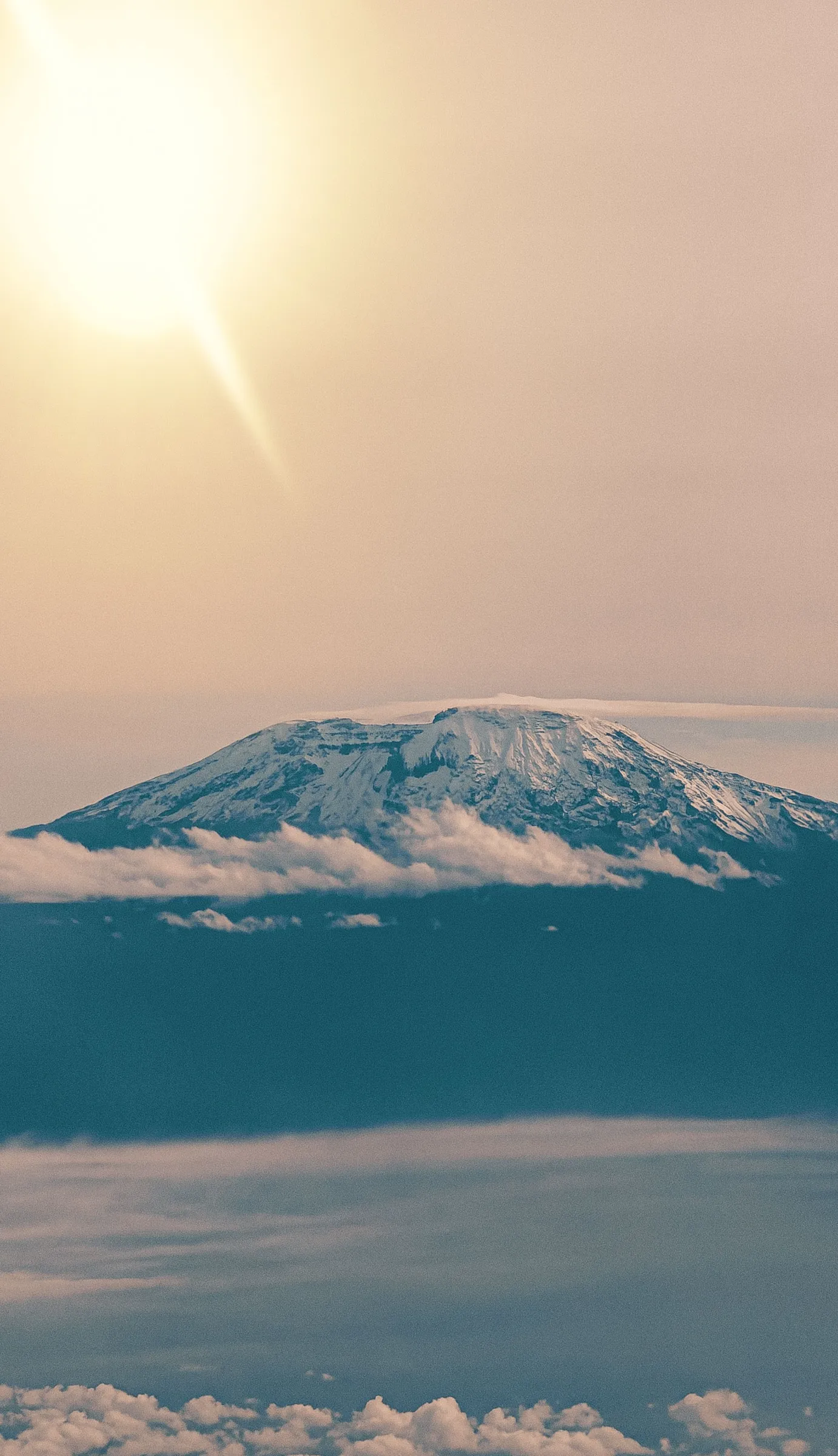 6 Days Marangu Route6 days, From $1,875 per person